
Seventy öre on the krona
Trafikverket graded Hässleholm–Lund robustly unprofitable; eleven months later it was in the national plan, with more money than the agency asked for. On the anatomy of the state's most audited number, and why it is not read before the decision.

A chatbot answers a question. Yesper does the work
A deliverable is a dozen parts that must agree and end in one signed document. A chatbot answers one question at a time; Yesper does the work, like a colleague.
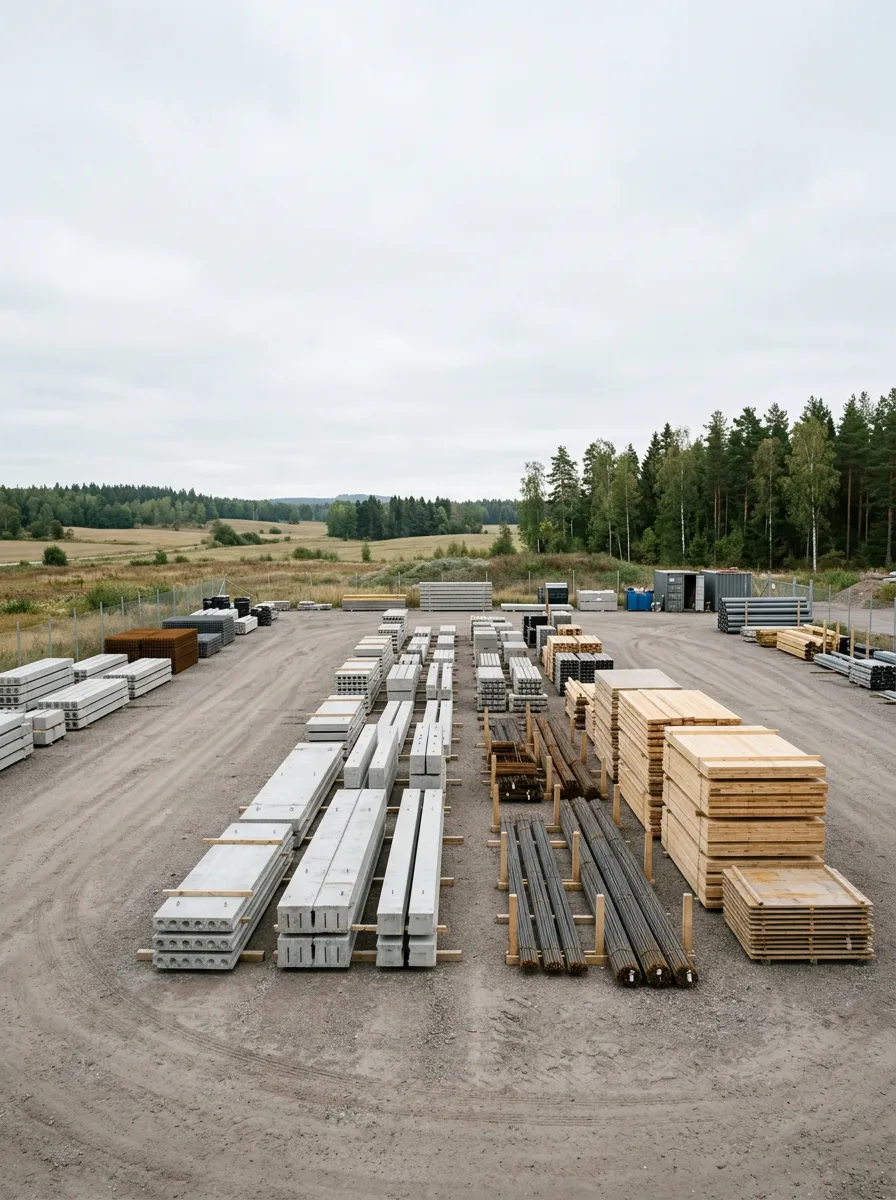
A lottery would have picked the same projects
Trafikverket calculates the societal value of both the projects that make the plan and those that don't. Both groups land at the same score. The analysis exists; the system ignores it.

One metre of metro, four Volvos
A metre of Stockholm metro costs 7.3 times more than in the 1970s, in real terms. The construction tempo is unchanged in fifty years: nine years then, nine years now. What grew is the years before ground is broken.

Yesper 4: finish more tasks together, faster
Over the past few weeks we have rolled out Yesper 4, with even better support for creating files, a connection to your email, Yesper on your phone, a smarter voice mode and much more.

What the best AI models leave out of an engineering report
A blind benchmark on six kinds of engineering report. The two newest frontier models wrote fluent drafts with the right data and stopped at 75 and 83 percent of what the consultant delivered. Yesper reached 97.

The European buyer's guide to engineering AI
The AI Act takes full effect and its hardest deadlines just moved to 2027. What decides an AI purchase this autumn is the contract: fourteen questions an engineering firm should ask, in one table.

Not an extinction event
McKinsey's 2026 AEC report, read from the buyer's chair: which numbers hold, what its 18-month list means in a Swedish work week, and what a firm should never give away.
new-final-final-2.doc
Marking a change is standardised down to the letter. Reaching everyone still working from the old version is nobody's job, and it is where change orders and site errors are born.
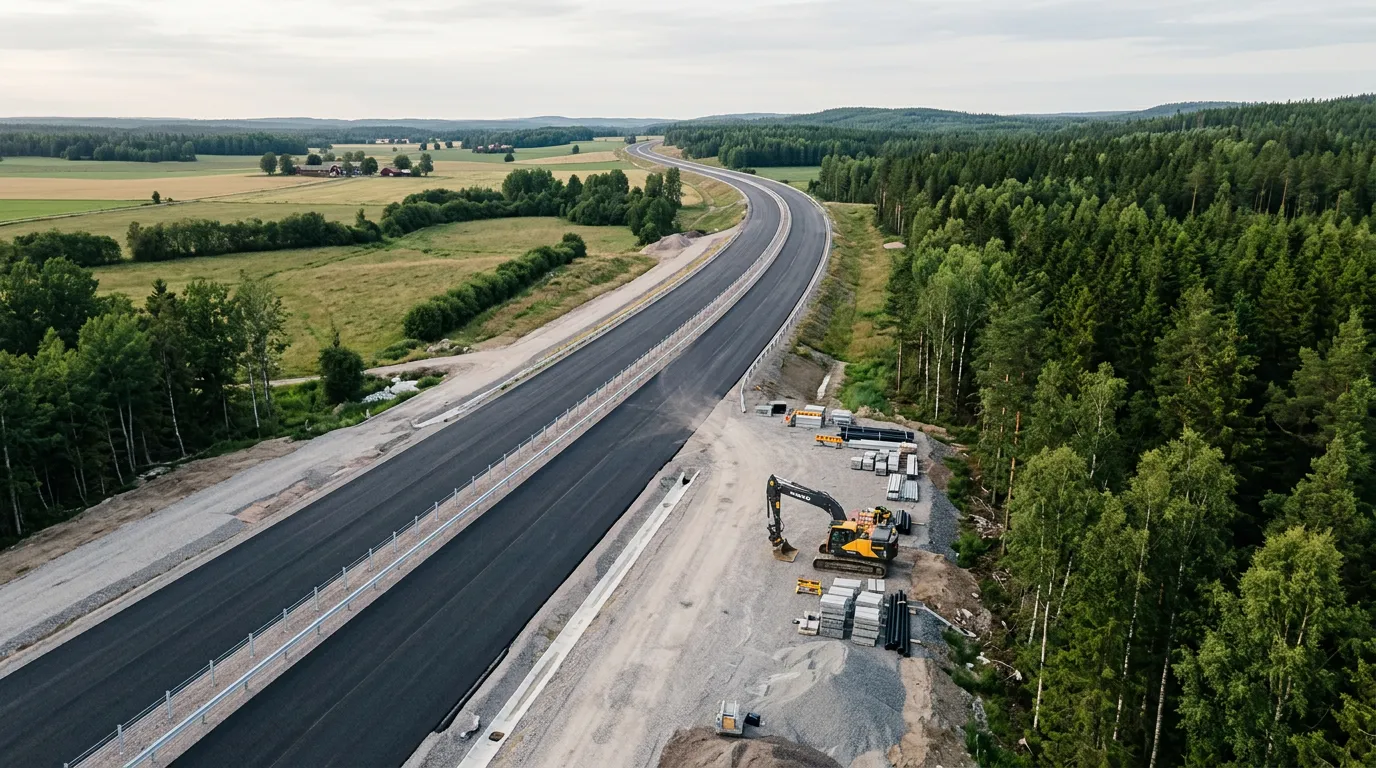
Construction is fragmented on purpose
Hundreds of firms, temporary coalitions, a name on every deliverable: the industry's fragmentation is a negotiated liability architecture, and the tools that survive are the ones that respect it.
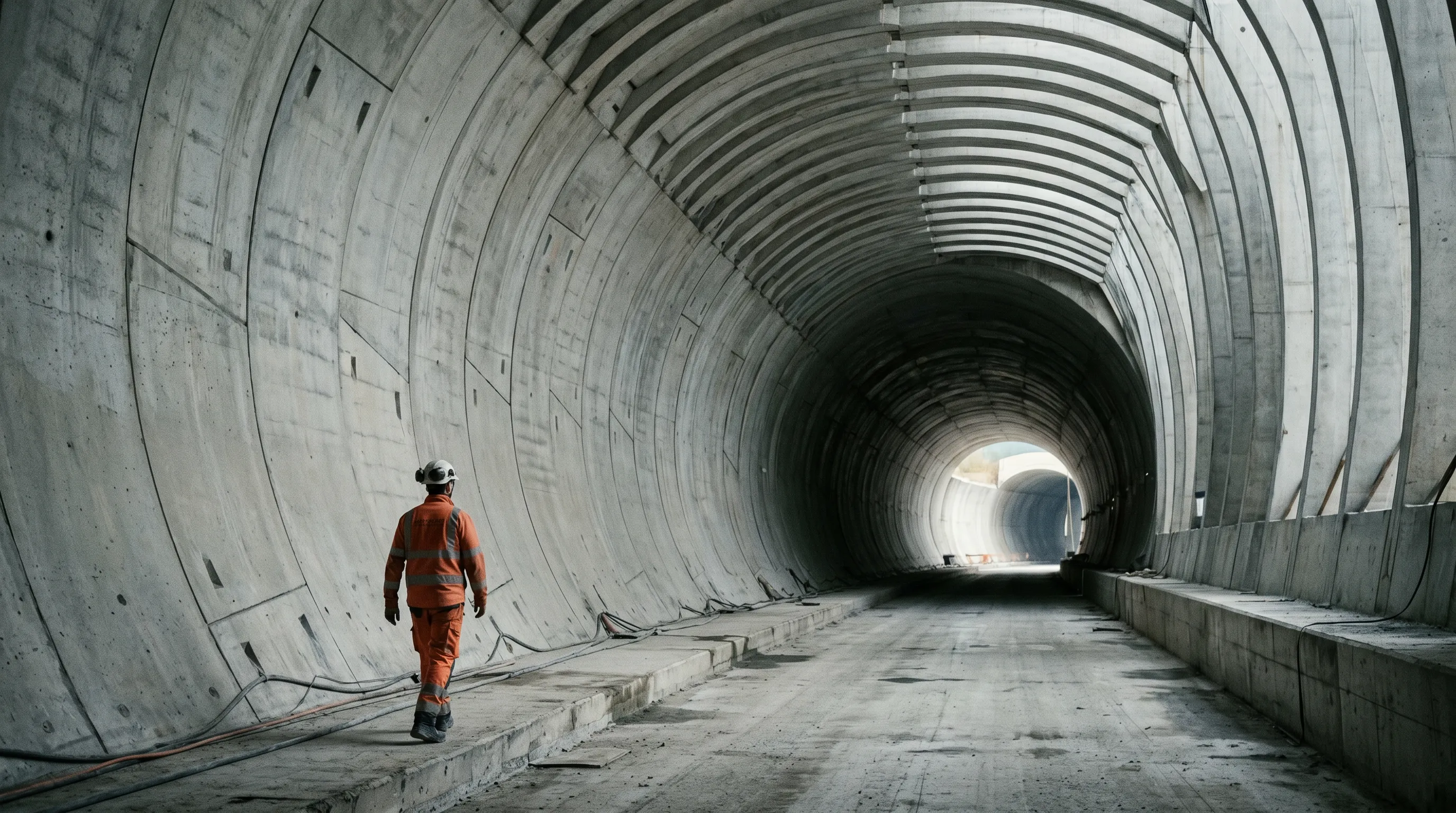
AI and the engineering of the built world
Software just ran a five-year public experiment on AI and skilled work. Read for the built world: help with steps plateaued, handing over whole tasks worked, and the signature never moved.

The delegation ladder: five steps from locked down to AI-integrated
The scale that sorts AI maturity today was written down in 1978, for robots on the ocean floor, and it measured how much the human dares hand over. For an engineering firm, five steps are enough, from locked down to AI-integrated. The hard part is the climbs, and every climb has a concrete precondition.

A compliance matrix straight from the tender documents
A tender worth tens of millions can rest on a hundred files, while the decision is taken in forty-five minutes. Yesper reads the whole package and gives you every requirement on its own row: answer, status and source.
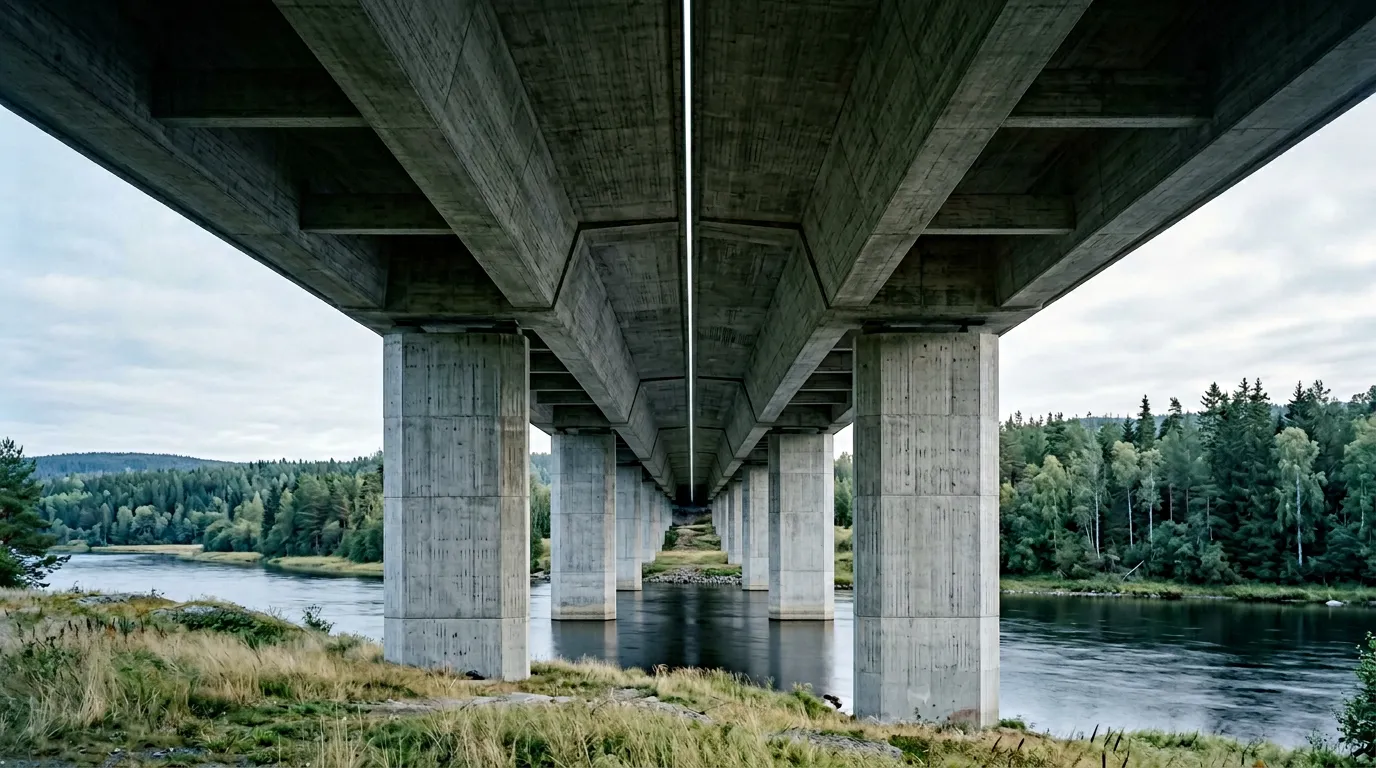
What is an AI civil engineer?
The term is about to be on every vendor slide in construction. The definition that makes it testable: judge what comes back after the handover. Plus the hours it frees, and the precedent from software.

The numbers: why Europe can't build on budget
Nine of ten transport megaprojects exceed their budgets, and almost all of the growth happens before construction starts. The key statistics on overruns, error costs, RFIs and productivity in European infrastructure, each with a primary source and a confirmed-or-contested label.
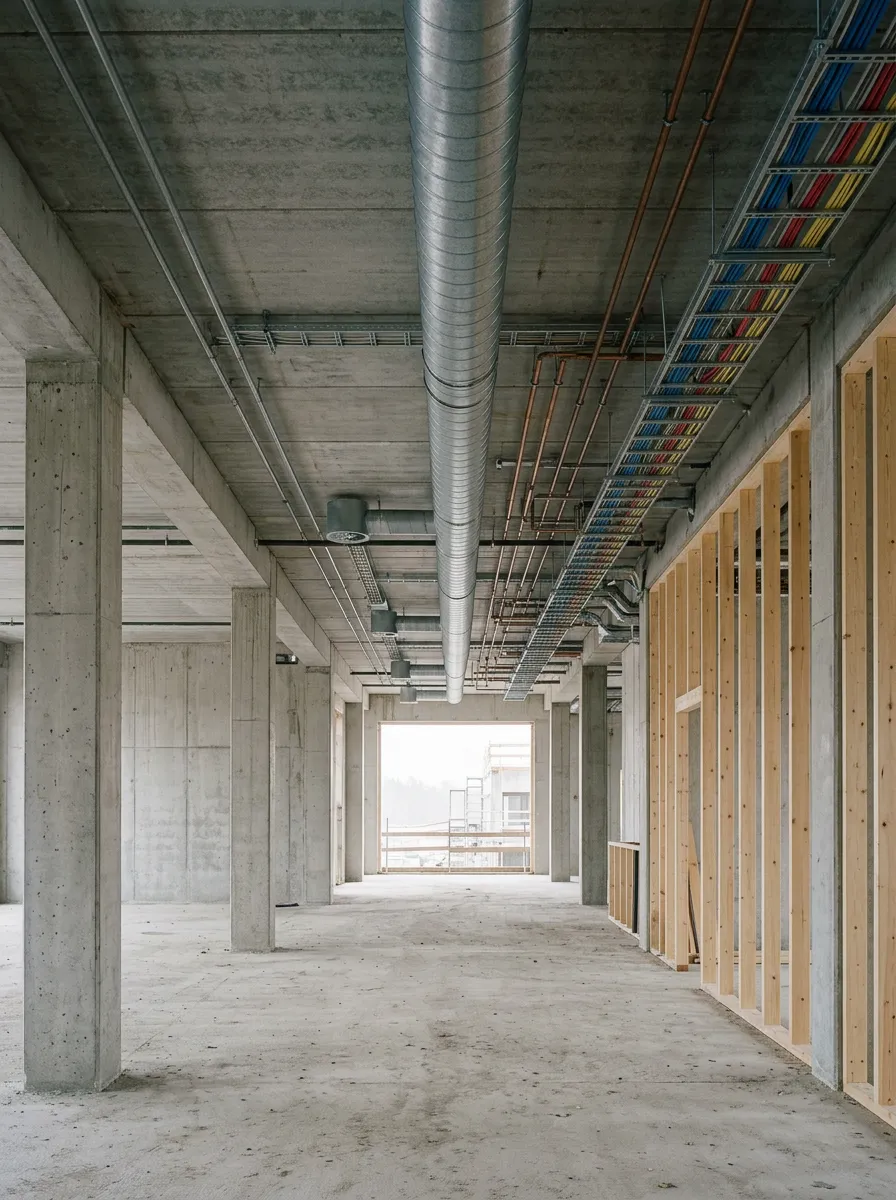
One construction start before 2037
Of 26 new objects in the national plan, one gets a construction start before 2037. Five mechanisms explain why the planning chain eats the decade, each with its source.

Genomförandeförmåga: the word of the year
Everyone in Visby agreed: the will and the money exist, execution capacity doesn't. But consensus is not capacity. Capacity is engineering hours.

Cost overruns are born before the first shovel
Three countries, three eras, three methods, one finding: most cost growth happens before construction starts. The mechanism is lock-in, and it lives in the planning years.
The plan is funded. The engineers aren't there.
Two months after the plan was fixed, Trafikverket said it out loud in Almedalen: delivery capability must be strengthened. The missing variable in every capacity debate is throughput per engineer.
A century of writing the methods down
Iron rules in 1919, concrete in 1924, AMA in 1950, the Eurocodes since 1975: a century of writing methods down so any desk gives the same result. That consistency turns out to be the preparation for handing work over whole.

The invoice for not building
Insufficient rail capacity puts 130–340 billion kronor of Swedish export value at risk every year, according to the rail industry's own report. Cost overruns get audited down to the krona; the cost of inaction is counted by no one.
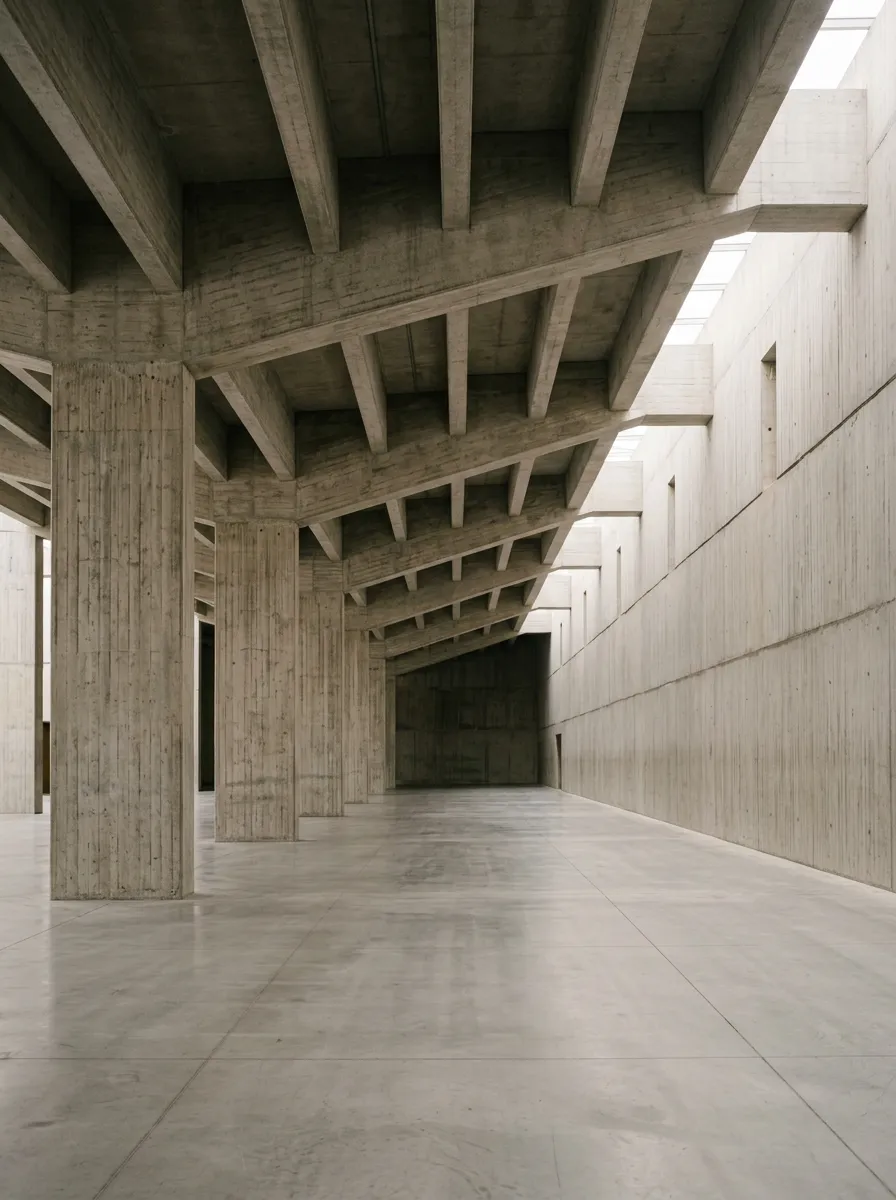
Where a stormwater study's week goes
A stormwater study is skilled engineering from end to end. So why does the week run long? Most of it goes to the disciplined execution of standard methods, and to running them again each time the plan moves.
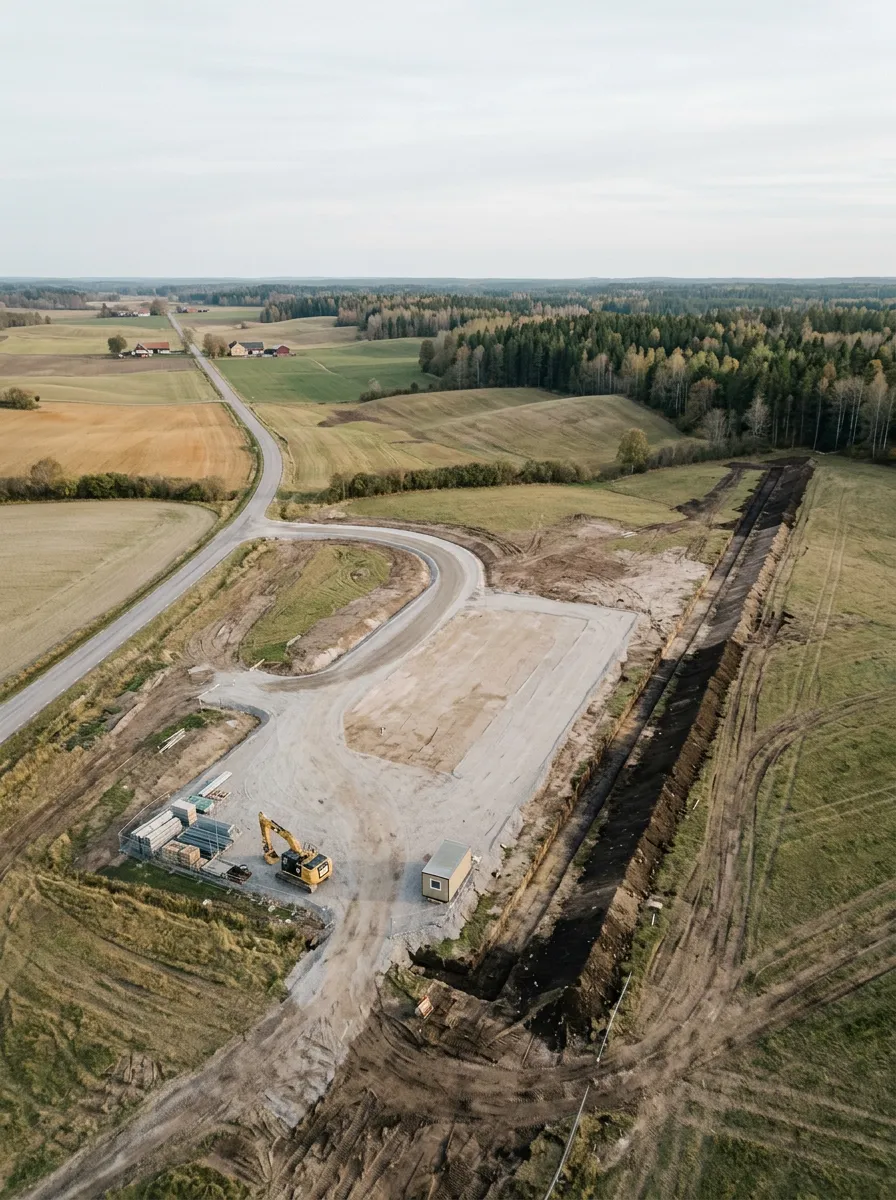
Total defense is built on paper
Sweden is counting its physical readiness assets again: road bases, quarries, rail ferries. The capacity one step earlier, to investigate, design and review inside the classification boundary, is not on any list yet. It sets the pace of all the others.
Europe's turn to build the vertical-AI winners
Two Oslo construction-AI companies sold for a combined $630 million, and a Stockholm company raised a Series A led by Andreessen Horowitz. What the Nordic exits prove, and which seat in the vertical is still open.

The engineer gets the last word
Who is liable when AI does engineering work? Exactly who was liable yesterday. What changes is what the signature means.
One rulebook, 290 interpretations
Sweden writes its building rules once, nationally, then applies them through 290 municipal building committees, each with its own practice. Why the variance survived a legal ban, and why the new national building regulations widen it.
"We build blind": the clients said it themselves
The association of Sweden's construction clients chose a seminar title most industries would never print about themselves. The state's cost follow-up, one shared Excel file per finished project, suggests they chose it accurately.

How infrastructure actually gets built
Planning, concept, preliminary, detailed, construction, as-built: the six stages nobody outside the industry knows, and the handoff where the overrun is born.
Will AI replace civil engineers? The honest answer
The fear assumes engineering is a fixed pile of work. It is a backlog instead: cheaper engineering means more gets built, not fewer engineers, and the judgment left to the engineer becomes worth more. Why replacement was never the real question.

The economics of a €75,000 report
A €75,000 environmental impact assessment isn't a document but an assembly of a dozen specialist studies at the front of a multi-year permit process. The anatomy behind the figure, and why the report is the cheap part.

HS2 would be a top project in the Swedish plan
Convert British benefit-cost ratios to Swedish NNK and one ruler holds four countries: Norway at −0.7, Sweden's plan at −0.3, Crossrail at +1.0. The difference is not how anyone counts, it is who lets the count decide.

What would you build with the hours back?
A Swedish rail project cut roughly two billion kronor by re-evaluating a design alternative late in planning, a comparison that is normally too expensive to make. What freed engineering hours actually buy, and what Europe gets if such comparisons become routine.

Eskers, groundwater and PFAS: why a railway takes two years to design
Thirteen disciplines, two years, one 30-kilometre stretch of railway. Most of it is real engineering that deserves respect. That is exactly why the churn around it is a tragedy.
Sweden cut rail research in half
The national transport plan for 2026–2037 lowers funding for research and innovation from 7.4 to 4 billion kronor, while its own delivery depends on new working methods. Where the innovation comes from instead.
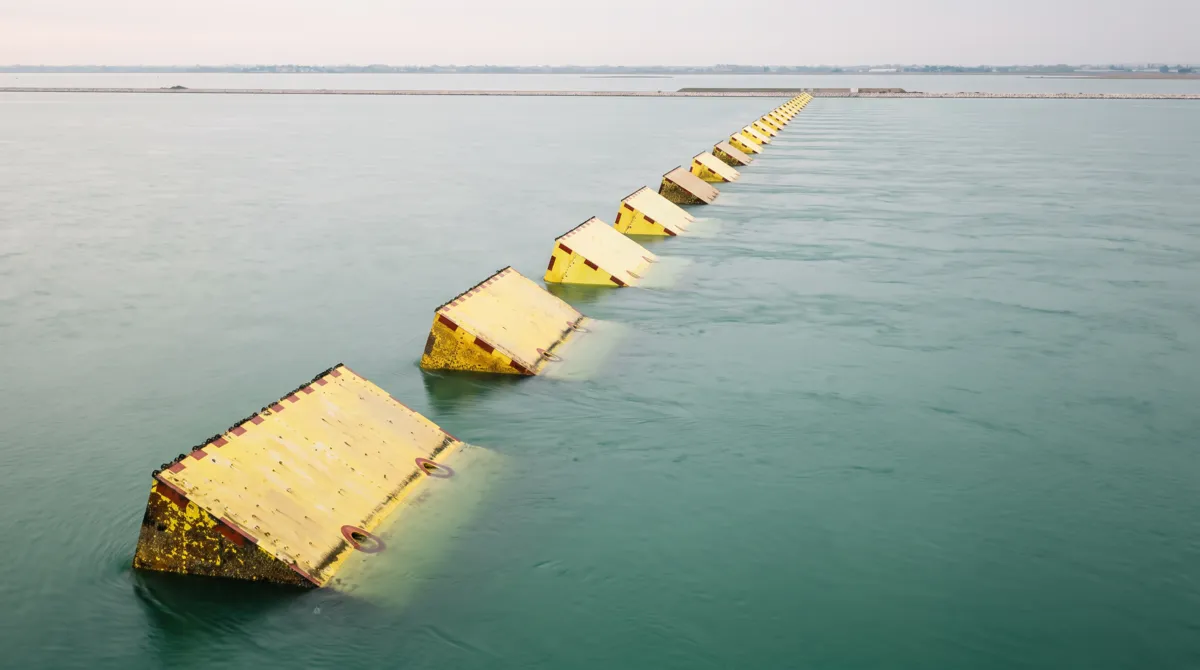
The next crisis arrives in a thousand small documents
Sweco's Urban Insight analysis puts numbers on Europe's quiet water risk: water stress for 30 percent of the population, €18 billion in flood damage in one year, a fifth of treated water leaking away. The repair is thousands of small municipal projects, and each one carries its own paperwork.
Civil engineering is a finite catalogue
Thousands of documents per project, but only 60–80 standardized types. Finite and standardized is exactly what an AI civil engineer can work through, type by type.

AI made developers 19% slower. What that teaches engineering firms.
Two randomized trials, two opposite results: 55.8 percent faster on a bounded task, 19 percent slower on open-ended work. The shape of the task decides, and it also decides what is worth buying.
A bill of quantities straight from the IFC model
A quantity error follows straight into the bid price and then into the settlement. Yesper reads the model and takes off the quantities, every figure linked to its object.
What the consultancies tell shareholders about AI
Norconsult, Sweco and AFRY described AI to investors in the same year, in three different registers. Read together, the investor materials agree on one point: the leverage sits in design and engineering, before construction starts.
Copilot can't read a national annex
National annexes that silently override Eurocodes, codes that change meaning between editions, requirements split across languages. Why generic AI fails on European regulatory documents.
Every Nordic engineering giant built an in-house AI. Here's what none of them built.
SwecoGPT, Sven AI, AFRY's AI hub, Ramboll Tech: the region's largest consultancies all run internal AI assistants, and adoption is real. A survey of what the tools solve, and of the layer still missing.
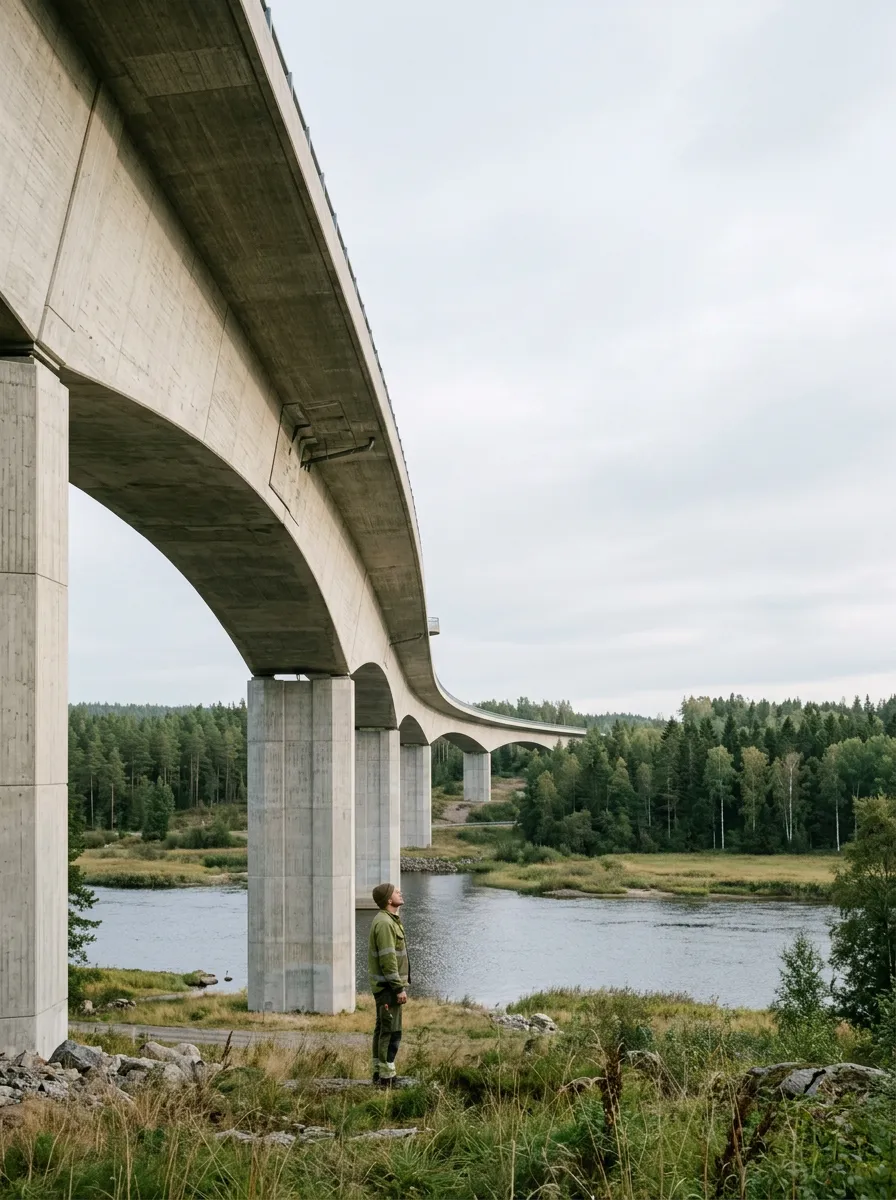
More iterations, better bridges
The most defensible productivity claim in engineering AI is not speed. It is one more design iteration per project at constant fee. Toyota proved why that wins.
Built by lawyers
In 2011, Sweden replaced its Planning and Building Act to speed planning up. The average local development plan in Stockholm County went from 35 to 62 months instead. How the paperwork took over, with sources.
More and better railway, in half the time
Half the time, half the cost is the Swedish rail sector's own vision, not a government target. Audit data shows where the years go today, and which halves are addressable with existing technology.
Three weeks to minutes: the number that breaks the billable hour
A consulting hour sells two things: the doing and the knowing. When AI does the doing in minutes, the hour stops measuring what a client should pay for, and the next step is to price the deliverable instead.
AI for civil engineering in 2026: what actually works
The real shift of 2026 is not faster help; it is AI that takes whole deliverables end to end. An honest survey by job of what works now, what stays human, and what is still marketing.
The AI boom is a construction boom
Skanska booked a billion dollars of data-center orders in one quarter. AI is ordering buildings faster than the industry can grow the capacity to design them.
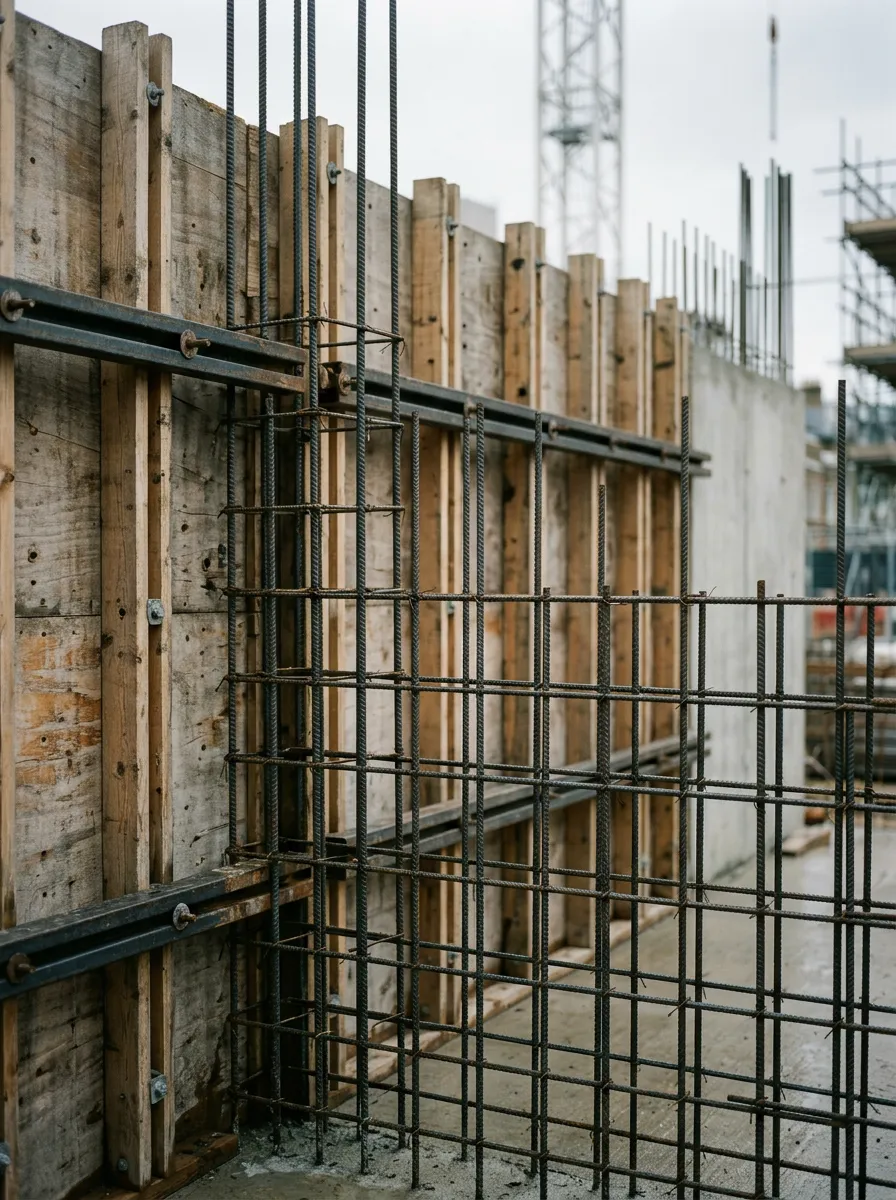
One deliverable, end to end
It starts with a button, not a prompt. What an AI civil engineer actually does between that press and a signed 40-page water and sewer study: the intake, the work, the check, and the engineer who signs.
The $860,000 cost of reading your own drawings
An average construction project generates 796 formal requests for information, each a question the contract documents were supposed to answer. Processing them costs $1,080 apiece, the median answer takes 9.7 days, and one in five never comes.
Can AI write a noise assessment?
An AI civil engineer produces the whole noise assessment draft end to end: it reads the material, runs the standard methods, and checks its own numbers, then an engineer reviews and signs. What it does, what it does not, and what stays human.
We run five copies of the same agent, each with a different personality
Five replicas of the same agent, each with a different reading directive, merged as a union. They catch the requirements a single pass misses every time, because one reader tires of insurance clauses and skims the ending.
The error that slipped past two reviewers
One engineer calculated, two colleagues reviewed, and a small error still reached a delivered multi-million project. Why careful people miss things, and what happened when a machine re-derived the calculation on its own.
A work preparation from the contract, the drawings and the weather forecast
Swedish rules set no slope angle to copy; they ask for a judgment about this site. Yesper assembles the preparation from the activity's documents and the week's actual conditions, so site management judges instead of compiles.
Error costs seven times the industry's profit
The Get It Right Initiative puts the direct cost of construction error at £5 billion a year in the UK alone, and 10–25 percent of project cost once latent and indirect costs are counted. The numbers, the dispute data, and why a new rework study does not overturn them.
The roadmap writes itself
Software moves fastest where the work is enumerable, and infrastructure's written deliverables are a finite, enumerated list whose entries compose into entire statutory packages. A strategy essay on why the endgame is visible from here.
Granskning, explained
What happens to a design deliverable on a Trafikverket project between delivered and approved: the self-checks before delivery, the comment rounds, the requirement documents behind every remark, and who signs off at the end.
The rulebook outgrew the humans
Eurocodes went from 58 parts to 74. AMA Anläggning grew a quarter. UK infrastructure consent takes 62 percent longer. The engineers stayed the same; the corpus of rules did not.
Copilot and Yesper
Same models underneath. Copilot works on the task; Yesper works on the whole deliverable and holds it together. The narrative, and the feature table where the two overlap.
Sweden's agencies publish excellent geodata. We taught the machines to use it.
SGU and Naturvårdsverket publish open geodata with no AI affordances, so we built the affordances: MCP servers and specialist agents that turn railway kilometre notation into answers about bedrock and protected areas.
The AI maturity model
Nearly everyone uses AI; few can point to the value. Four levels, ordered by how much of the organization the AI carries, and where the market stands in 2026.
Engineering, not memos
The rulebook outgrew the humans who apply it. When the machine holds the rulebook, the engineer gets the judgment back: juniors learn on real problems, seniors design again.
AI for tender review
What machine review of a tender package actually does: reads every file instead of sampling, extracts each requirement with a citation, checks the documents against each other, and flags deviations. The estimator keeps the decisions.
The winner's curse in infrastructure procurement
Selection on uncertain cost estimates systematically picks the underestimated projects, even when every estimate is honest. Why overruns need no villain, and what counters them, with sources.

Norway fixed half the problem. The other half is buildable.
Norway's external quality gates deliver an average 5 percent underrun across 111 large state projects. The cost growth that remains happens before the gate, in the front-end document phase that governance cannot reach.
Why software never reached engineering work, and why AI does now
No field has more theoretical AI upside and lower actual use than architecture and engineering. The explanation is not a conservative industry: for forty years, software could move the documents but never read them. That is what just changed.
Signed on trust
A bid worth tens of millions rests on about a hundred files, and the meeting that approves it takes 45 minutes. Reading everything would take four people a week: the gap is covered by trust, and that is time arithmetic, not negligence.

Our anti-hallucination strategy is a database, not a prompt
The model proposes; the registry disposes. Standard codes, file IDs and citations all go through deterministic code, never the model, because traceability is an architecture, not a tone.

How to roll out AI in an engineering firm without creating shelf-ware
MIT: 95 percent of AI pilots deliver no measurable return. Why rollouts get stuck in cautious testing, and what sets apart the firms that lean in and start producing whole deliverables a new way.
Every change sent me back to redo the math
In a design calculation nothing stands alone: change one input and the whole chain re-runs by hand. Why one small change costs a week, and what happens when re-running it takes minutes instead.
Small print, big money
A procurement was cancelled after every single bidder missed the same line item, worth about 40,000 kronor. Tender documents concentrate large financial consequences into single words and page breaks, and the industry's catch mechanism is still keyword searches in PDFs.
What Harvey is to law, Yesper is to infrastructure
AI now does the document work in law, clinical medicine and software, while the professional keeps the judgment and the signature. Construction is the largest industry in the world still without its version.
The lightbulb and the paperwork
Replacing a single lamp along a rail line takes minutes. The documents before and after take longer than the job. On compliance built for megaproject risk, applied to the smallest tasks in maintenance.
How to evaluate the ROI of engineering AI
A framework for costing engineering AI on your own numbers: the hours in a deliverable, the price of the revision loop, and the two terms most business cases leave out.
Somewhere inside a PDF library, a 15-bit integer decides whether a railway drawing gets reviewed
Wide-format railway drawings crash standard PDF rendering at exactly 32,767 pixels; invisible Unicode characters quietly corrupt Swedish numbers. The file that breaks the pipeline is always the one the reviewer needs, so the engineering under the demo is what decides whether document AI works at all.
The first time it just worked
How engineers come to trust an AI colleague: first-run moments from live infrastructure projects, including the runs that needed correcting and what those corrections taught the system.
Bad data didn't cost construction $1.85 trillion. Bad plans did.
Autodesk and FMI priced construction's bad data at $1.85 trillion for a single year. Followed upstream, the figure leads to ambiguous plans and specifications, multiplied through every handoff in the supply chain.

A roundabout is a roundabout everywhere
The standards that govern infrastructure are civilization's memory: humanity already agreed on how to build a retaining wall and a stormwater system. The engineering that remains is fitting the settled solution to one specific place.
The best LLM call in our pipeline was the one we deleted
Every model call we removed is one fewer place a number can silently change on its way to an engineer. Four deletions, one rule: LLMs for judgment, code for transformation.
The telephone game with a €100M budget
One ambiguous clause in a specification is reinterpreted at every handoff between designer, contractor and subcontractor, and the cost grows at each step. On the mechanism that turns small design defects into large bills on site.
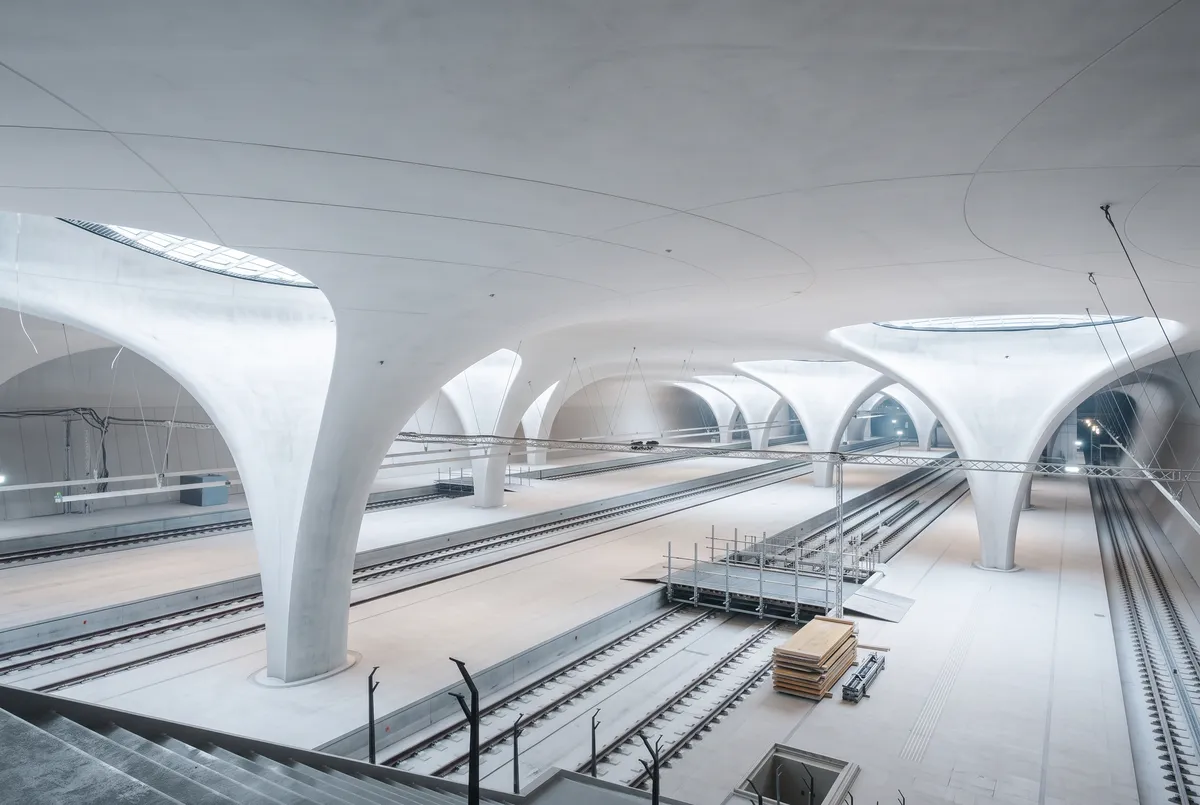
Stuttgart 21 was approved before the iPhone existed
Germany's biggest rail project has no opening date, HS2's cost estimate has grown by half, and Ostlänken went from 13 to 111 billion kronor. What Europe's slowest projects share is not geology: it is immature designs procured, reviewed, disputed and redone.
Engineers' questions about AI, answered
What engineers and IT departments actually ask before deploying AI in construction: who is liable, whether it trains on your data, whether you can trust its citations, and what it costs. Straight answers, each linked to the full explanation.
The auditors' quietest bombshell
Riksrevisionen has twice audited where Swedish infrastructure costs grow, and twice placed the increases in the planning phase, before construction begins. A guided read of the two reports, with the exact figures and how to cite them.
The answer key was never written down
The rules of infrastructure engineering are public down to the last national annex. The judgment that gets them right was never archived: it lives in senior engineers, and it has always retired with them. That is starting to change.
We mapped 172 companies selling AI to construction. Here is the map.
The whole map, openly published: what is worth buying today, what to expect from it, what the industry's own AI builds have actually become, and the corner that still stands empty.
We have forgotten how to build
Labour productivity in construction has fallen while every other major sector advanced. The Swedish figures, the global pattern, and why the bottleneck sits in documents rather than on site.
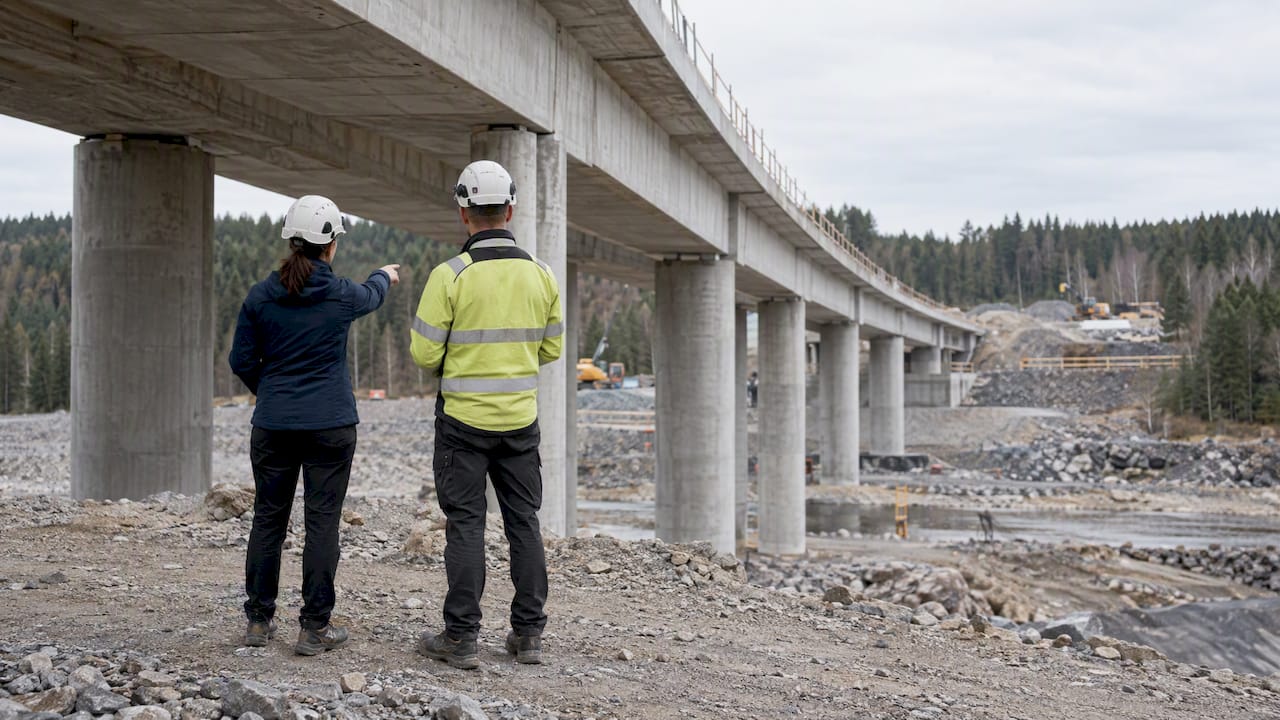
Value engineering with AI: Where it helps and where it fails
How AI supports value engineering in construction: the job plan phase by phase, what the evidence shows, and why inspectable assumptions beat black-box savings.
Contract clause analysis: 4 traceable outputs for legal and procurement
Legal and procurement teams can use playbooks, scored flags, AI retrieval, redlines, and escalation rules to make contract reviews faster and easier to audit.
Automation lessons: Fix workflows first for construction teams
Construction teams can learn from automation failures: map workflows, add human checks, measure ROI, and catch problems before they spread.

Regulatory code interpretation: Sort guidance and code commentary
Sort binding rules from guidance, weigh code commentary and National Annexes, and create traceable interpretations with Yesper for engineering decisions.
Automate construction method statements without generic controls
Automate construction method statements with hazard controls, competent person review, and audit trails that preserve details about each work site.
Change order analysis: 3 outputs contractors and PMs need first
Turn change requests into a defensible package with validated scope, itemized cost, and schedule impact. Contractors and PMs get a ready to use workflow.
Drawing quantity takeoffs for estimators: Four measures, plans to IFC
Learn how estimators measure drawing quantities, apply RICS NRM 2 and IFC quantity sets, catch errors, and prepare auditable bills of quantities.
Engineering compliance checks: BIM and AI without losing audit proof
See how engineering compliance checks connect risk based reviews, EGBC and ISO guidance, BIM and AI automation, and audit ready records teams can maintain.

Construction tender document analysis: Hours, not days, human signoff
Analyze construction tenders with AI to extract requirements and risks, then verify cited findings through human review for auditable evaluations.
5D BIM estimation: IFC codes and the limits of field cost control
See how 5D BIM estimation uses IFC cost data and activity level coding to build auditable BOQs, and where it falls short of field cost control.
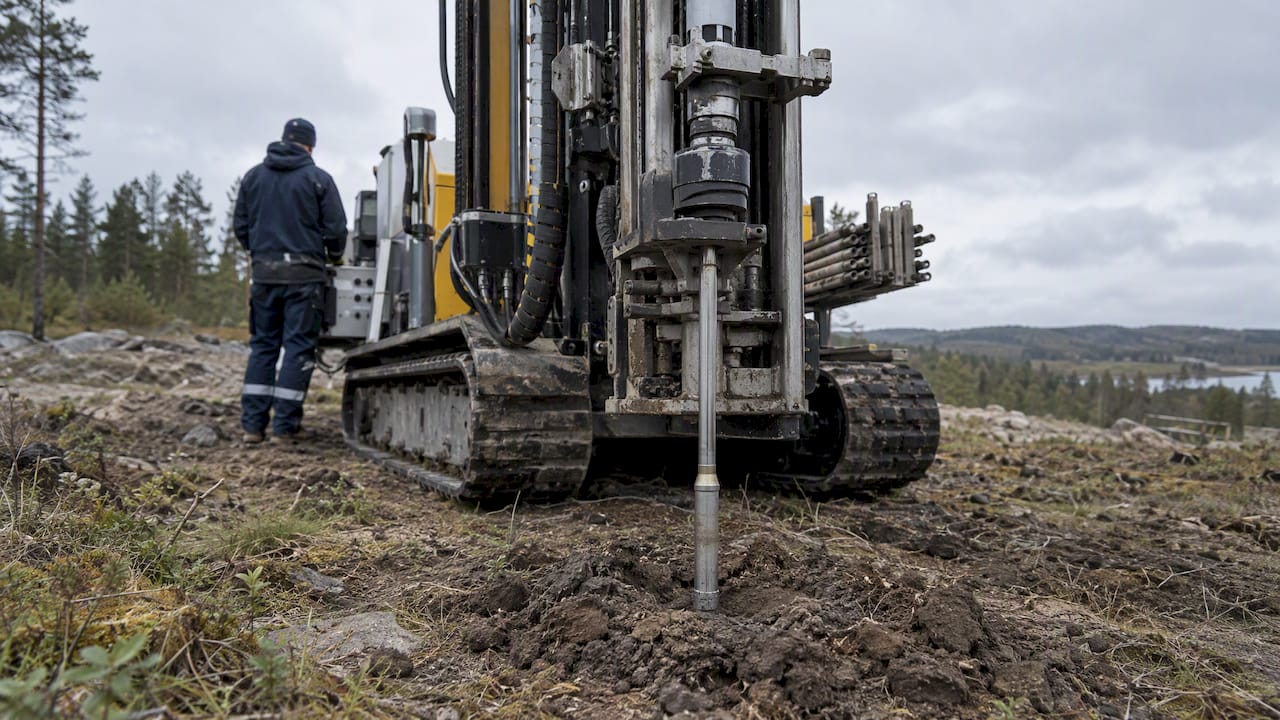
Site-calibrated CPT interpretation for engineers: QA and audit-ready reports
Engineer-focused CPT guide to produce defensible design values. Covers site calibration, QA, dissipation testing and audit-ready reporting.

Cut design review time 50–95%: Audit ready automation for engineers
Engineering-first playbook for audit ready design review automation. Use deterministic rule checks, build an evidence chain, retain a human review gate,...

Construction document question answering: Multimodal RAG to production
A technical, implementation-first walkthrough of document question answering. Learn multimodal RAG, agentic evidence workflows, grounded evaluation, and deployment.
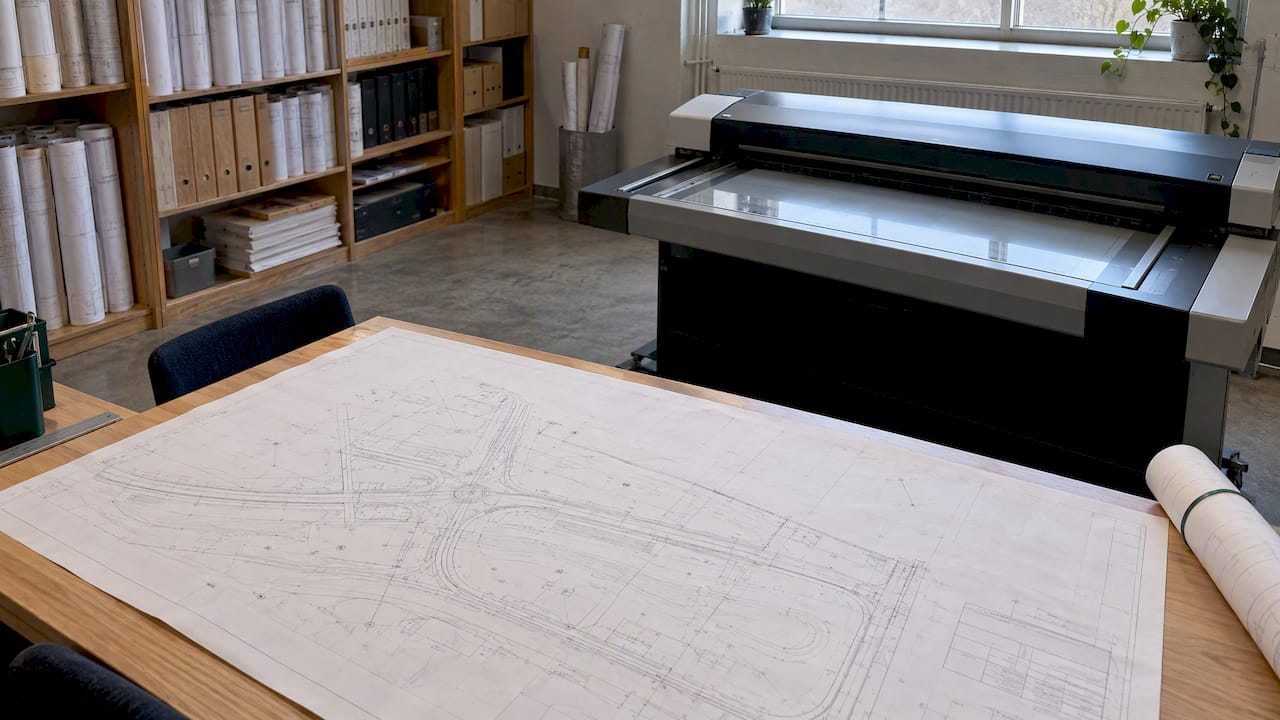
6 steps to PLM ready PDF extraction for engineering
Production ready 6 step hybrid pipeline for PDF extraction in engineering: segmentation, rotated dim detection, human checks, and PLM/CAD.

One current revision: Drawing revision control for engineers with ASME
Standards first steps to make drawing revision control audit ready. Map ASME, EIA-649 & ISO 9001 to checklists, approvals, and field controls.
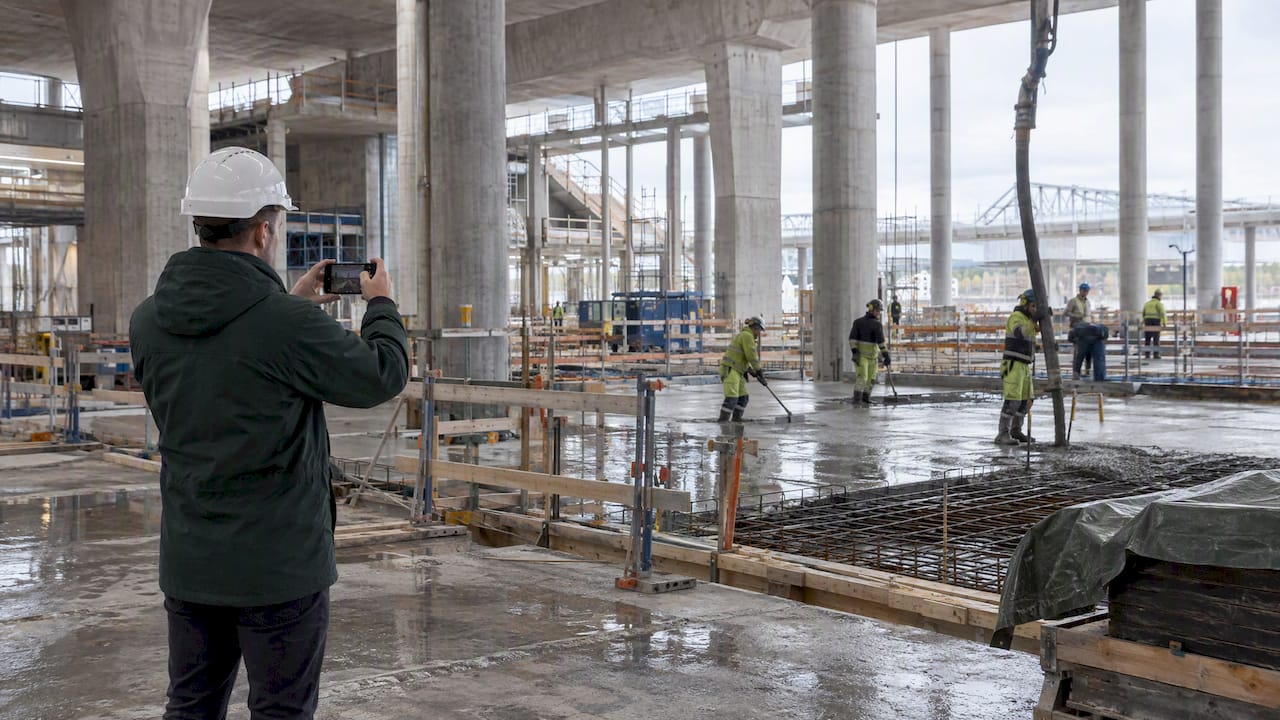
Protect daily logs: Pilot reporting automation for construction PMs
Pilot-first guide for construction PMs and superintendents. Run a two to eight week reporting automation pilot, enforce templates and CDE governance, and keep defensible daily logs.

Engineers: How AI civil engineers fit with ASCE rules and job market
A practical guide for engineers and students on using AI civil engineers: BLS job facts, ASCE accountability, rollout checklist, skills, and platform fit.

Save time: Meeting minutes automation for project teams
Practical, workflow-first advice for teams: a seven-step automation routine, feature checklist, reusable templates, and human sign-off to keep minutes accurate.
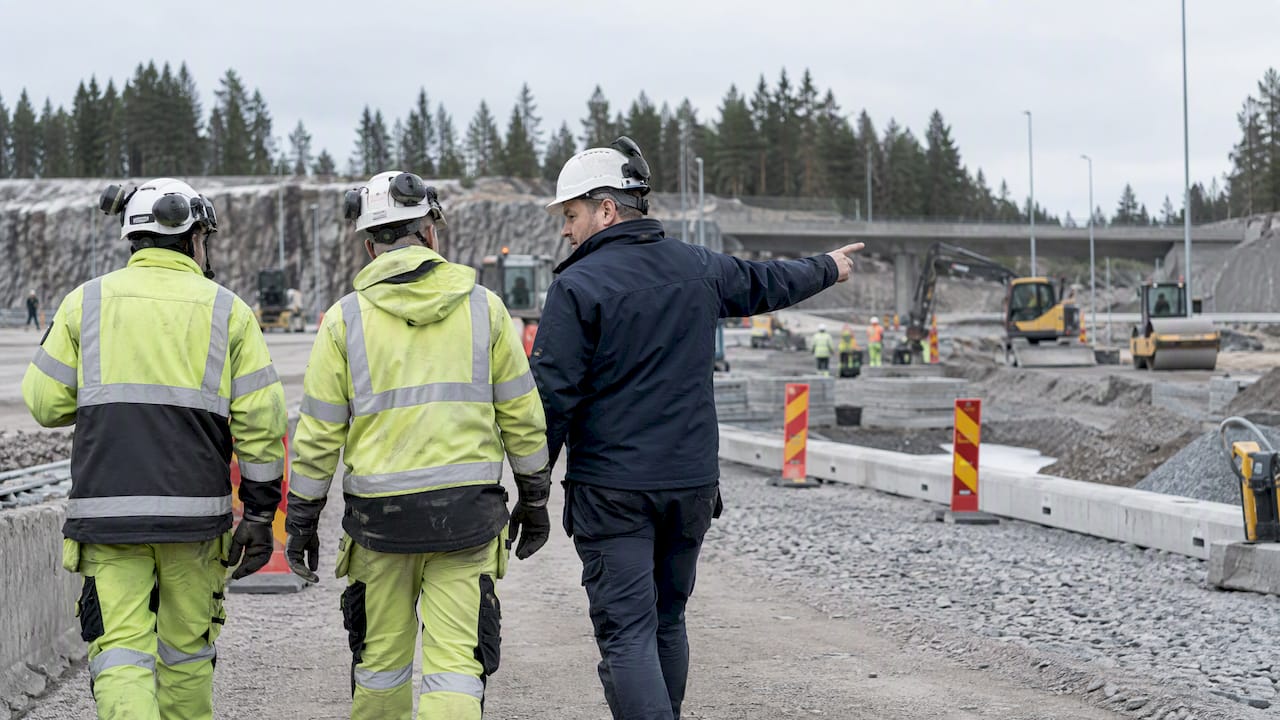
7 step method statement process for project managers & safety officers
Use a concise site specific method statement workflow: embed controls in each numbered step, apply PDCA review, and produce operable plans crews follow.

Make ISO 19650 compliance audit ready in 2026 for practitioners
Practical, edition-aware steps to make ISO 19650 compliance audit ready in 2026. Compact checklist, CDE tests, and an automation example to cut evidence work.

Audit ready QA/QC automation for construction: ISO 19650 and ISO 9001
Standards aligned playbook for construction teams to build audit ready QA/QC automation using ISO 19650 and ISO 9001, rule engines, CDE workflows, and Yesper.
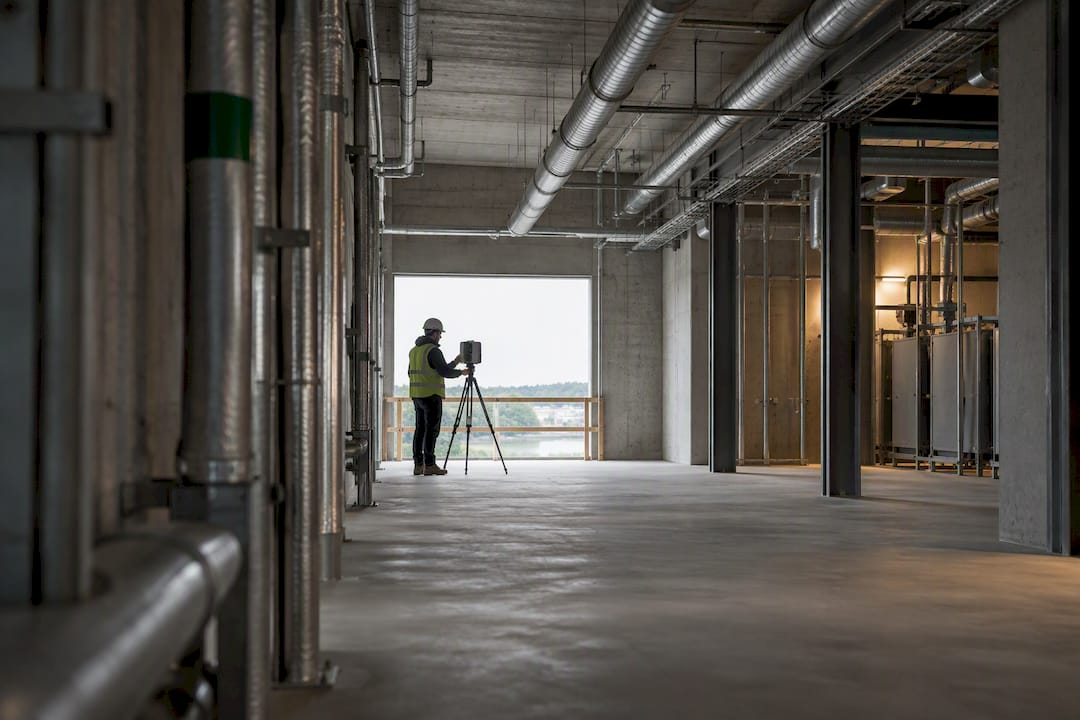
Construction teams: Keep human sign off with AI for BIM, the 30% rule
A practical primer for construction teams on AI for BIM: real use cases, governance checklists, the 30% rule, and how to evaluate sector specific solutions.
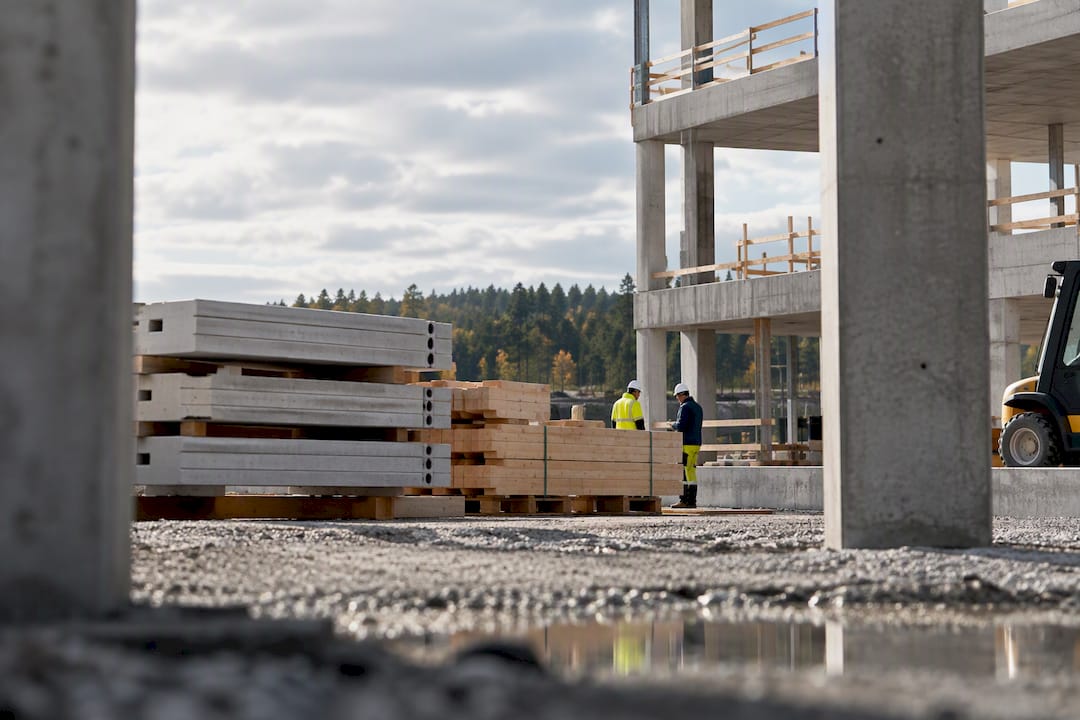
Construction leaders: Turn AI pilots into 17–25% project gains
A 2026 playbook for construction leaders: convert AI pilots into production with RICS insight, regulatory sandboxes, and vertical AI platforms.

90 day project knowledge management for construction teams
Build lightweight project knowledge management in 90 days for construction teams. Capture decision rationale where work happens to cut onboarding and rework.

Project managers: Produce auditable p80 with schedule risk analysis
Practical schedule risk analysis for project managers and risk analysts. Clean CPMs, risk driver modeling, and reproducible Monte Carlo steps to produce an auditable P80.
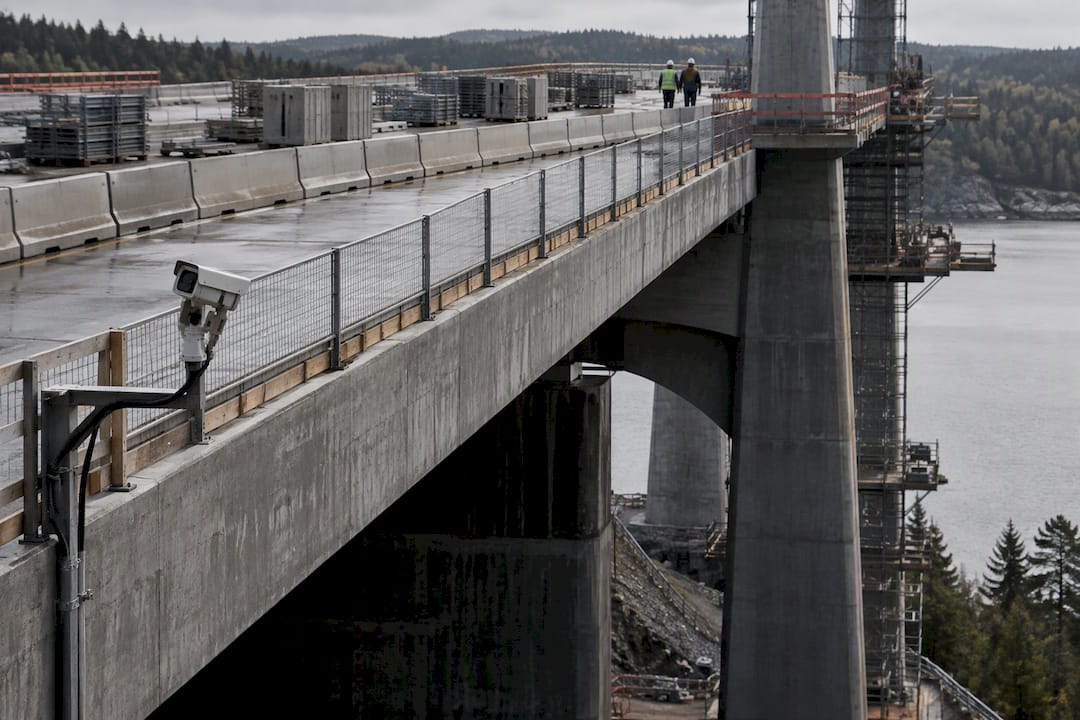
Project teams: Pilot construction risk AI with workflow and governance
Workflow first, governance aware guide for project teams: findings from an 87 study review, pilot steps, and what AI can and cannot automate.

Cut rework: Project teams' six stage construction document control
A practitioner first playbook for project teams to cut rework. Define workflows before tools, map ISO 19650 into your CDE, and enforce naming.
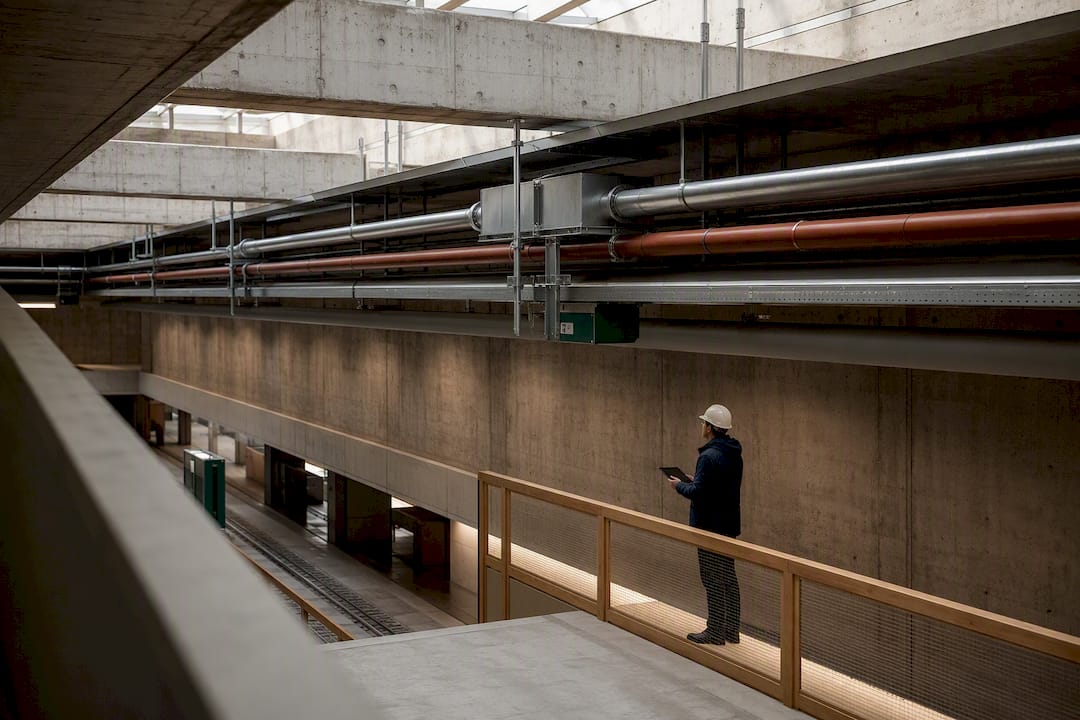
Cut rework: A coordinator's six step BIM clash detection workflow
A coordinator first BIM clash detection workflow: six weekly steps to cut rework. Set tolerances deliberately, assign owners, and require a rerun before any clash is closed.
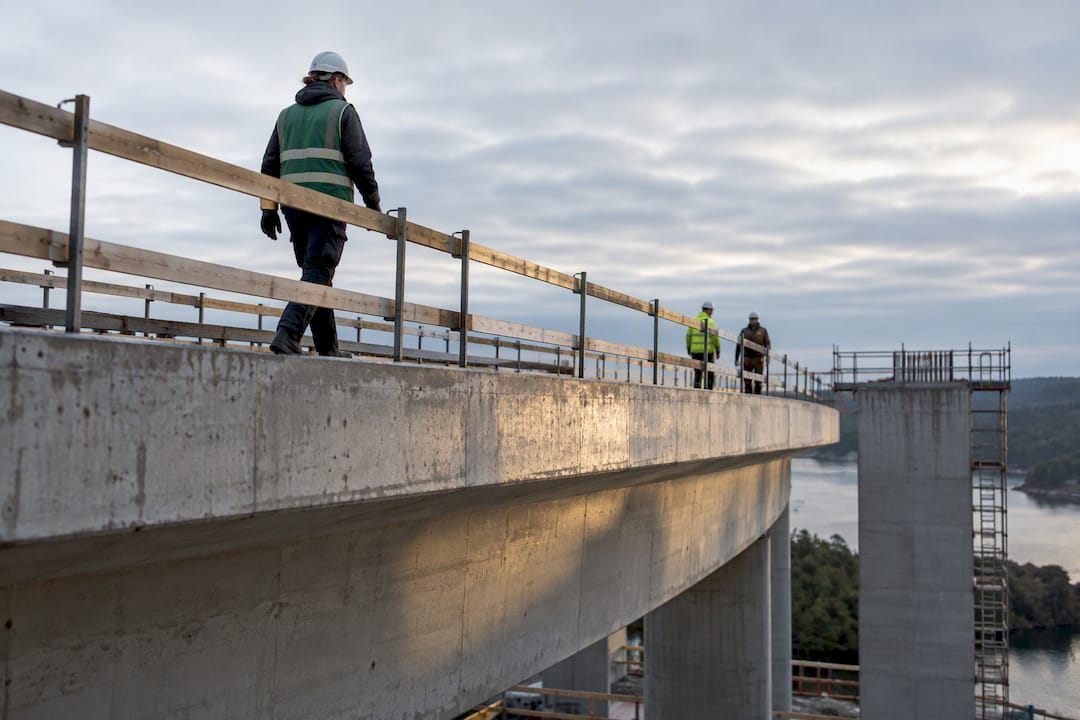
Project managers: 5 audit ready construction safety compliance steps
A practical, prioritized checklist for project managers and safety officers to pass inspections. Covers OSHA and CDM grounding, audit-ready evidence...

Save 50 to 95% on quantity work: Auditable BIM takeoffs for estimators
Produce auditable BoQs from IFC or Revit models. Estimators keep GlobalId traceability, reuse extraction templates, and run the QA checks auditors expect.

Map systems first to cut billing lag: Construction software integrations
Make ERP the single source of truth. Map systems first, pilot time to invoice or labor cost sync, and use Yesper to speed mapping and QA.
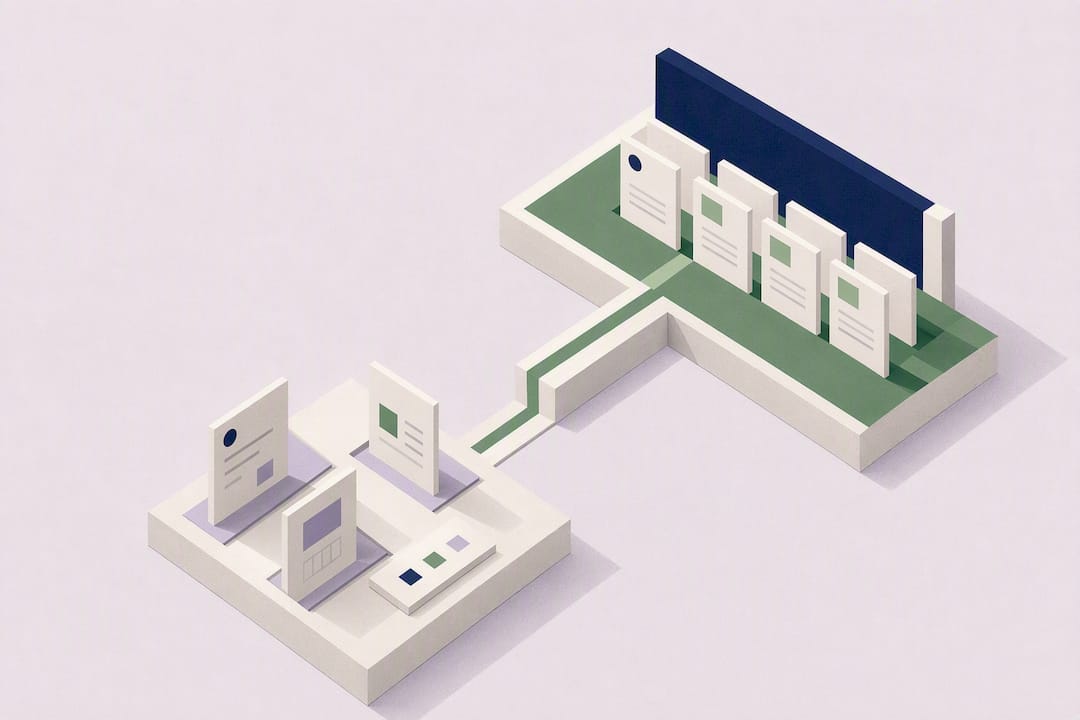
Pilot to production: Regulatory compliance automation for construction
Engineering playbook for construction teams to deploy regulatory compliance automation. Staged pilot, shadow mode validation, data sovereign hosting, and...

Prove AI ROI in 5–9 months for construction CFOs
ROI-first playbook for construction CFOs and procurement: modelled payback (5–8 months on an $80M project), one-pilot strategy, and a...