Genomförandeförmåga: the word of the year
Everyone in Visby agreed on everything. That's the problem.
Everyone in Visby agreed on everything. That's the problem.
The week
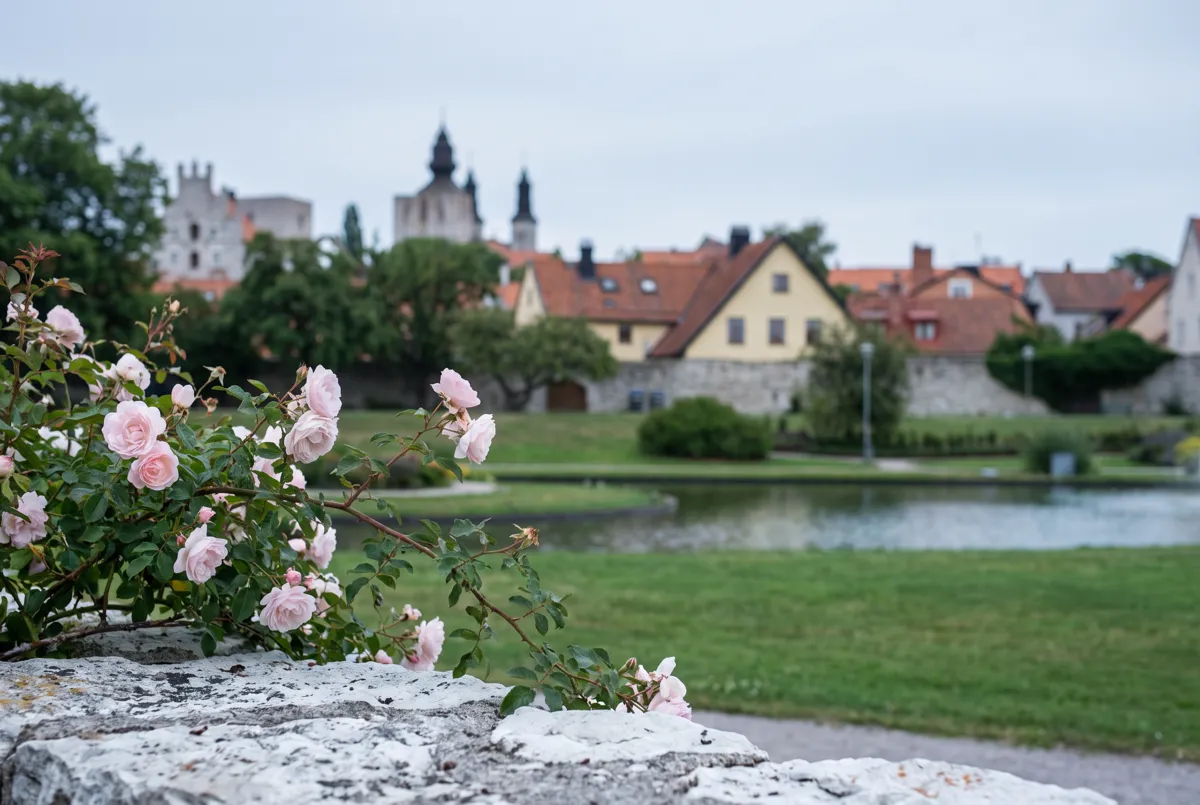
Almedalen week is Sweden's annual political meeting place, a forum where different perspectives, values and interests are set against each other. Politicians, agencies, industry and researchers travel to Visby to push their issues and argue their case. In 2026 the striking thing was the opposite. At the energy seminars, the rail panels, the housing discussions and the AI stages, the same diagnosis was delivered, often in the same words: the will exists, the money exists, and the capacity to carry it out does not. Different sectors, one sentence.
Energiföretagen, the energy industry's trade body, titled its own recap of the week, verbatim: "Bred samsyn i Almedalen: öka tempot eller riskera att halka efter". Broad consensus in Almedalen: raise the tempo or risk falling behind. The obstacles its seminars kept returning to were not technical. Political uncertainty. Slow permitting processes. Investment decisions that hesitate while the rules stay unpredictable. "Dyraste vägen framåt är om vi investerar för lite," as Svenskt Näringsliv's representative put it: the most expensive way forward is to invest too little.
CFO-svepet's five takeaways from the week led with the same theme: "Genomförandet stod i centrum". Execution took centre stage. Across seminars on energy, climate, infrastructure, AI and skills, participants kept returning to how reforms become reality, with open frustration over long permitting processes and weak execution capacity. Even the week's optimism came with a condition: belief in Stockholm and Sweden is back, provided the reforms actually get carried out.
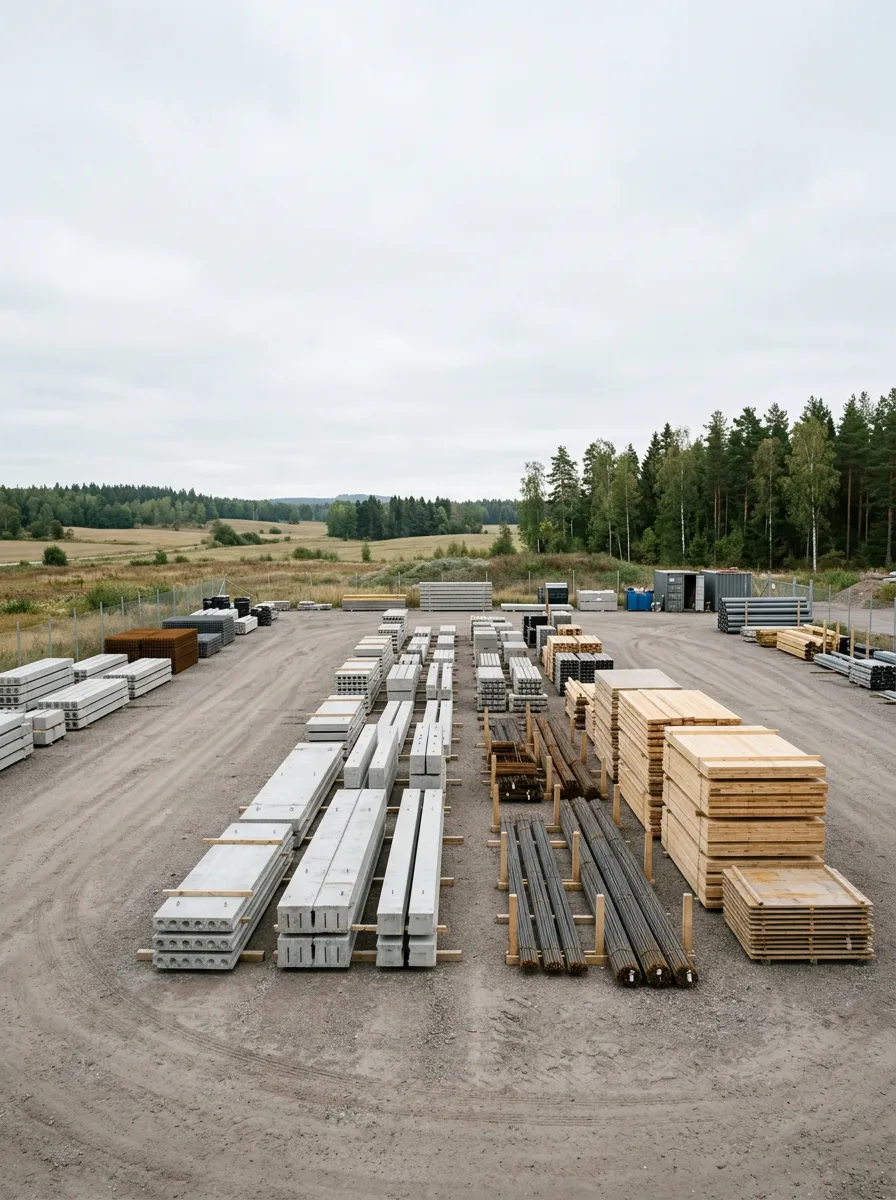
The pattern repeated wherever you sat down. The energy sector's obstacle list was permits and predictability, not turbines. The rail seminars met weeks after the government had fixed a national transport plan worth more than a trillion kronor, and spent the time on whether the sector can deliver it. The housing panels talked about municipal interpretations of a single national building code. Nobody questioned the goals. Everybody questioned the ability to reach them.
The word
Swedish likes to compress an entire policy debate into a single compound noun, and this year's is genomförandeförmåga: execution capacity, the ability to carry through what has already been decided. It is the word behind the permitting complaints, the tempo warnings and the conditional optimism. Notice what it is not: it is not a word about ambition. Nobody in Visby asked for bigger plans, higher targets or more money. The asks were for shorter queues, clearer rules and faster processes. The sharpest formulation of the problem came months before anyone boarded the ferry:
Sverige har inte bara ett investeringsproblem, utan ett problem med själva genomförandet.
The line is not from Almedalen. Bergkvist said it in April 2026, when Stockholms Handelskammare launched the report Bättre styrning, bättre infrastruktur — the number behind the week's mood rather than a product of it. The number: every krona Sweden spends on infrastructure buys a fifth less than it did in 2009. The money is appropriated, and has been for years. What it buys keeps shrinking.
The gap
It would be easy to sneer at a week where everyone agrees, and it would be wrong. The consensus is genuine and hard-won. Ten years ago, the pace of electrification, the scale of rail investment and the direction of housing policy were live political conflicts; that they no longer are removes real risk from real projects. Sweden has decided, with an agreement that is rare in its modern history, to build. But agreement builds nothing. Between the decision and the shovel lies the work: siting studies, environmental impact assessments, permit applications, technical investigations, design, review rounds, tender documents. That work is measured in engineering hours.
And engineering hours were the one thing the seminars could not conjure. Every panel that called for higher tempo was, concretely, asking for more hours from the same pool of engineers — a pool that grows by graduation cohorts and shrinks by retirements, at the pace of decades. The national transport plan alone commits more than a trillion kronor through 2037; the grid build-out, the housing shortage and total defence queue for the same people. No employer can recruit its way out of that within a single plan period. When the will and the money are in place, execution capacity stops being an abstraction. It is people multiplied by hours, applied to documents.
The turn
For a hundred years there was exactly one way to increase execution capacity: more people. Train them, recruit them, borrow them from a neighbouring project. But look at what the hours actually go to. The years between decision and construction start are filled with documents — investigations written, checked, revised and approved by hand, at human speed. That part of the work no longer has to scale with headcount. Document work can now be produced and checked at machine speed, which means execution capacity can, for the first time, grow at the pace of technology rather than the pace of demographics. Everyone in Visby agreed on everything, and the agreement was never going to build anything. But the thing everyone agrees is missing can now be manufactured.
Sources
Get news and articles in your inbox.
The capacity everyone called for can now be manufactured: studies, environmental assessments and review at machine pace, with every requirement on a row with answer, status and source. Book a demo and we'll show you on a document.
Book demo